
A Guide to Rigid Trucks in Ireland
Learn about rigid trucks, their classifications, sizes, and regulations. A guide for businesses using commercial vehicles in Ireland.
When it comes to commercial vehicles, a rigid truck is a vital part of the fleet for many businesses in Ireland. Whether transporting goods across the country or handling local deliveries, understanding the features and regulations surrounding rigid trucks is crucial. In this guide, we’ll delve into what rigid trucks are, their classifications, and their various sizes and lengths. At InsureMyVan.ie, we don't just provide reliable truck insurance; we also offer tailored advice to ensure your fleet is protected on the road.
What Are Rigid Trucks?
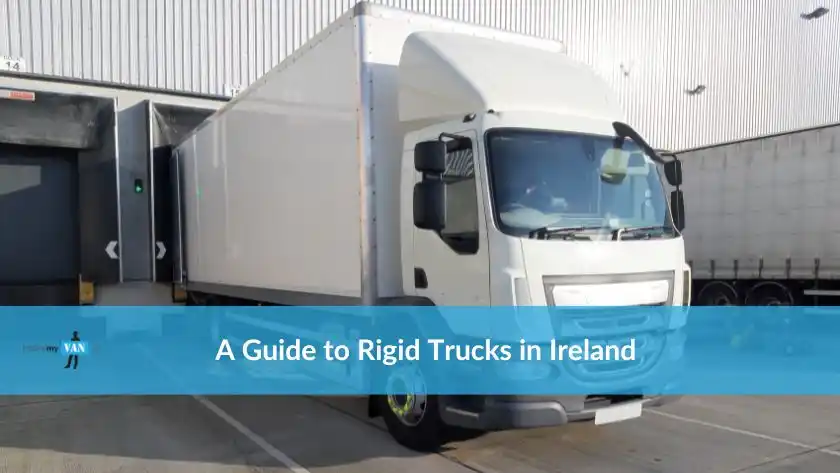
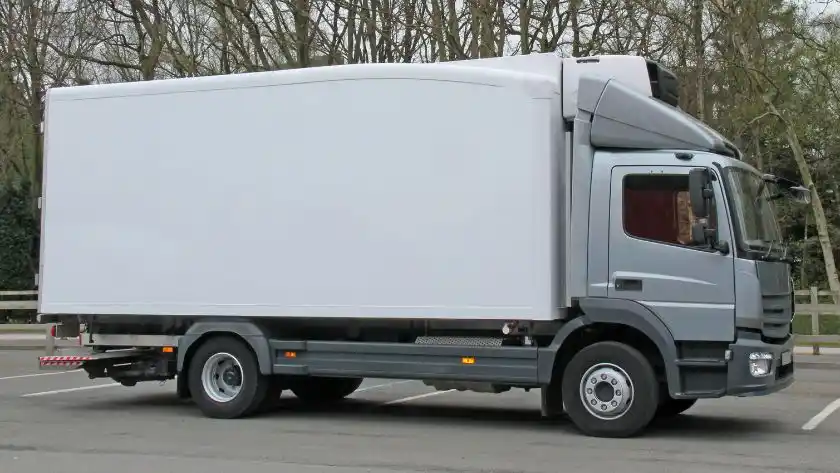
So, what is a rigid truck? Unlike articulated trucks, which consist of a tractor unit and a trailer, these trucks have a single, fixed chassis. This means that the cab and the cargo area are permanently connected, making the vehicle more stable and easier to manoeuvre, especially in urban environments. Rigid lorries are commonly used for short to medium-haul deliveries and are a staple in industries such as logistics, construction, and retail.
What Class Is a Rigid Lorry?
If you're wondering, what class is a rigid lorry, it's important to know that they fall under the classification of Heavy Goods Vehicles (HGVs). Specifically, they’re classified as Class 2 vehicles under European Union regulations. This classification requires drivers to hold a Category C driving licence, allowing them to operate vehicles over 3.5 tonnes. This class of vehicle is ideal for businesses that need to transport heavy loads without the complexity of handling a full-sized articulated lorry.
What Size Is a Rigid Truck?
It’s essential to understand that these vehicles come in various dimensions to suit different operational needs. Rigid trucks are typically available in sizes ranging from 7.5 tonnes to 32 tonnes, with the most common sizes being 18 tonnes and 26 tonnes. These trucks are versatile, offering a balance between cargo capacity and manoeuvrability. For businesses looking to maximise their delivery capabilities while navigating tighter spaces, rigid trucks offer an ideal solution.
The rigid truck length varies depending on the size and configuration of the vehicle. For instance, a standard rigid lorry might measure anywhere from 8 meters to 12 meters in length. The 12m rigid truck is a popular choice for larger operations that require significant cargo space without compromising on the ease of driving. These longer trucks can accommodate more goods, making them a cost-effective option for transporting larger loads. To learn more, visit RSA.ie.

Key Features and Benefits of Rigid Trucks
Rigid lorries offer several advantages that make them a popular choice for businesses:
Stability and Safety
The single chassis design provides excellent stability, reducing the risk of accidents, especially when navigating tight corners or uneven roads.
Manoeuvrability
Despite their size, these trucks are generally easier to manoeuvre than articulated lorries, making them ideal for urban deliveries and other tasks requiring precision driving.
Versatility
Rigid trucks are used in various industries, from food and beverage distribution to construction and waste management. Their versatility allows businesses to use them for multiple purposes, increasing efficiency.
Cost-Effectiveness
With fewer moving parts and a simpler design, these trucks are often more affordable to maintain and operate compared to their articulated counterparts.
How Much Is a Rigid Licence?
If you want to drive a rigid lorry in Ireland, obtaining the correct licence is a crucial step. So, how much does it cost? The rigid truck licence cost typically stands at €55 for a new licence or renewal. However, if you’re adding a Category C licence to your existing B licence, the cost is reduced to €35. When considering training, rigid truck lesson prices generally range from €100 per hour, with the total cost often between €800 and €1,500, depending on the number of hours required and the training provider. Investing in thorough training is essential for ensuring both safety and compliance on the road.

Choosing the Right Truck for Your Business
When selecting a truck for your business, consider the following factors:
Payload Capacity
Ensure that the truck can handle the weight of the goods you need to transport regularly. To learn more about heavy commercial vehicles, check out our blog!
Length and Size
Depending on your operational needs, choose a truck length that balances cargo capacity with manoeuvrability.
Regulatory Compliance
Make sure your chosen vehicle meets all relevant safety and emissions standards, as per Irish and EU regulations. The Road Safety Authority has published guidelines for these types of vehicles.
The Importance of Proper Insurance
Operating a rigid truck comes with its own set of risks, which makes having the right insurance crucial. Whether you're running a single truck or managing an entire fleet, securing comprehensive commercial insurance is essential to protect your business from potential liabilities and losses. At Insuremyvan.ie, we offer specialised insurance plans tailored to your specific needs, ensuring that your fleet is covered against accidents, theft, and other risks.
Rigid trucks are indispensable for many businesses. They provide a reliable and versatile solution for transporting goods across Ireland. Understanding the different sizes, classifications, and features of these trucks will help you make informed decisions when selecting the right vehicle for your business.
As your go-to provider of truck insurance in Ireland, we’re here to help you find the best coverage for your fleet. Visit our website today to learn more about our insurance options and get a quote tailored to your business needs.