
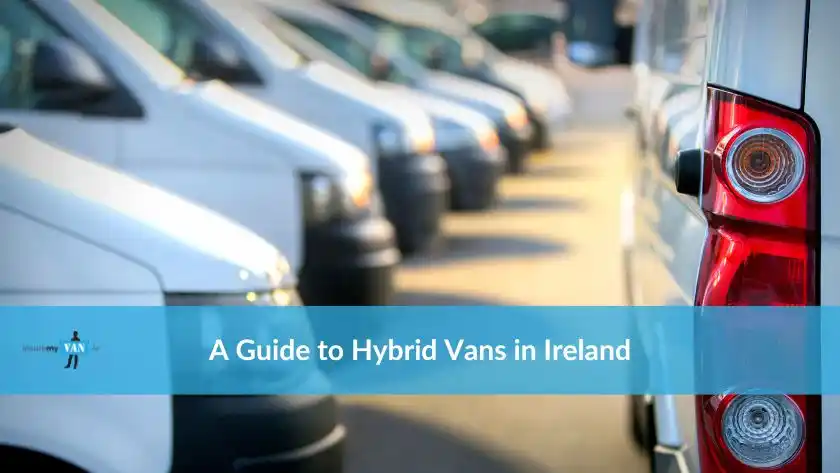
A Guide to Hybrid Vans in Ireland
Looking into hybrid vans in Ireland? Discover top models, fuel savings, and how to get the right van insurance with Insure My Van.
If you’re thinking about switching to hybrid vans, it’s worth understanding how they work and whether one would suit your business. And whether you're running a one-man operation or managing a fleet, having the right van insurance is just as important as picking the right van.
Hybrid vans offer that sweet middle ground between traditional fuel models and fully electric vehicles. Depending on the type of hybrid, they can reduce petrol or diesel use on some journeys while retaining an engine for longer trips. However, the savings you achieve will depend on the van, your routes and how you use it.
Let’s look at some of the best hybrid vans to consider in Ireland and what to keep in mind when choosing one for your business.
Why More Drivers in Ireland Are Choosing Hybrid Vans
Transport remains a significant source of greenhouse gas emissions in Ireland. The Environmental Protection Agency reported that the sector accounted for 21.8% of national greenhouse gas emissions in 2024, with road transport making up most of the total. Read the EPA's latest transport emissions data.
Hybrid vans may help businesses reduce fuel consumption in certain driving conditions. They can be particularly useful for journeys that involve frequent stopping and starting. However, fuel savings and emissions vary depending on the vehicle, driving conditions, mileage and charging habits. A hybrid will not automatically be cheaper to run than a diesel or fully electric van.
For businesses that need to cover a mix of urban and longer-distance journeys, a hybrid may offer useful flexibility. Plug-in hybrid models can cover some shorter trips using electric power alone. That is, provided the battery is charged and the journey falls within the vehicle's range.
Top Hybrid Vans to Consider
The range of hybrid vans available in Ireland varies by manufacturer. It’s worth checking which models are currently available before making a decision. The following models are worth knowing about. Check current specs, pricing and availability before making a decision.
1. Ford Tourneo Custom Plug-In Hybrid
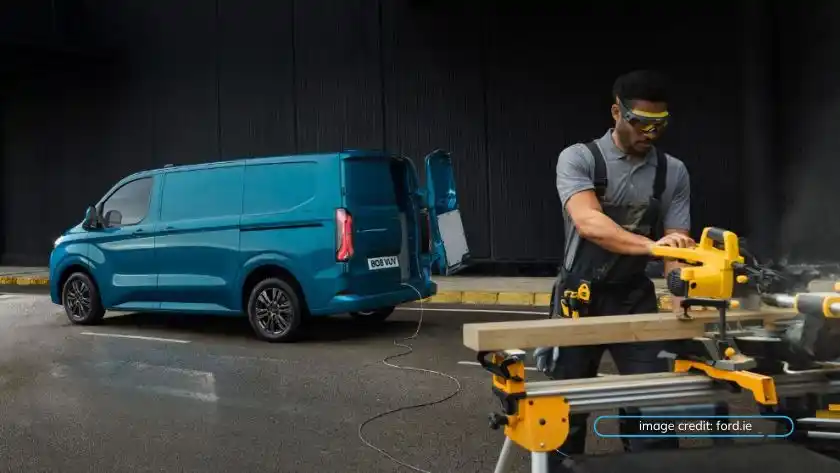
The Ford Tourneo Custom Plug-In Hybrid combines a 2.5-litre petrol engine with an electric motor and an 11.8kWh battery. Ford quotes an electric-only range of up to 52km, although actual range depends on driving conditions and usage.
It's a practical option for businesses that regularly transport passengers. As it's designed primarily for passenger transport rather than carrying goods, check that seating and load space meet your business needs.
2. Volkswagen Transporter
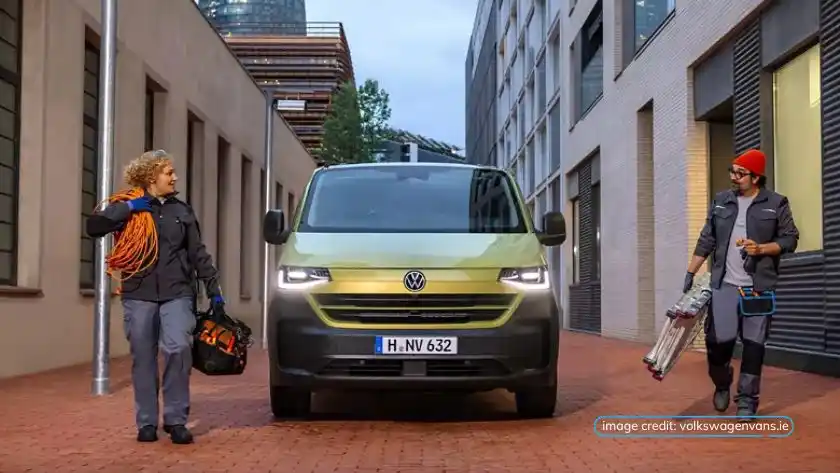
If you're searching for a hybrid Transporter van, you might need to hold out just a little longer. The website lists diesel and e-Transporter versions, with a plug-in hybrid (eHybrid) also planned for the range. The website still describes the eHybrid as “coming in 2026”. Your should confirm availability with a Volkswagen dealer before treating it as an option you can buy.
If you're considering this model, compare the available powertrains based on your usual mileage, payload requirements and access to charging. A hybrid won't necessarily be the most economical option for every business.
3. LEVC VN5
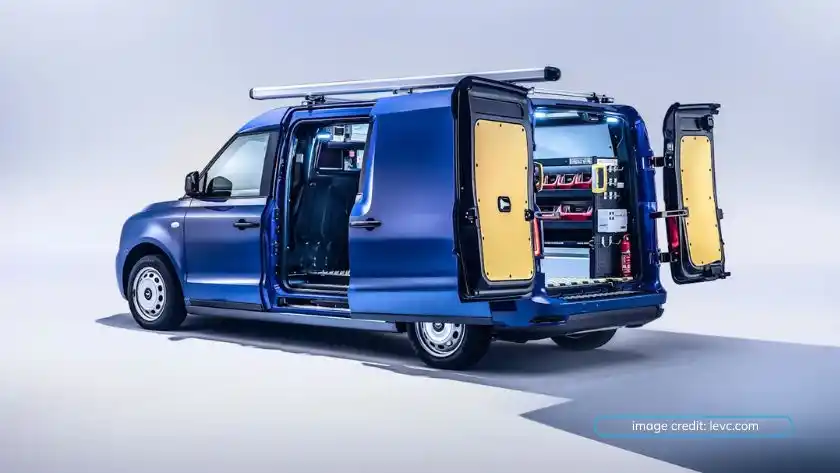
The LEVC VN5 is a range-extender van. It uses an electric motor to drive the wheels, while a petrol engine generates electricity when needed.
The VN5 was designed for businesses that want electric driving with the reassurance of a petrol-powered range extender. Before relying on specific figures for electric range, total range or payload, check the specifications for the exact vehicle being considered, as figures can vary by version and testing conditions.
The VN5 has been sold in the UK, but current availability in Ireland is not confirmed here. If you're considering a used vehicle or an import, check its history, specifications, registration requirements and total costs before committing. Our guide to importing a commercial vehicle from the UK to Ireland explains some of the points to consider.
What Does the Future Hold for Hybrid Vans?
Manufacturers offer different options, including diesel, plug-in hybrid and fully electric vans. The models available vary by make, and new versions may be added over time.
Hybrid vans can suit businesses that want to use electric power without relying entirely on charging. A fully electric van may be a better option if your journeys are predictable and you can charge it regularly. Diesel may still suit businesses with long routes or heavy loads.
Before choosing a van, consider your daily mileage, the work you do and access to charging. Compare the overall running costs to see which option best suits your business.
Plug-In vs Regular Hybrid: What’s the Difference?
Hybrid vans don't all work in the same way. Understanding the differences can help you choose the right option.
Mild hybrid: An electric system assists the petrol or diesel engine, but the van generally cannot drive using electric power alone.
Full hybrid: The van combines an engine with an electric motor and battery. It can use electric power alone for short periods in suitable conditions, and the battery recharges while driving. It does not need to be plugged in.
Plug-in hybrid (PHEV): The battery can be recharged using an external power source. A plug-in hybrid can drive on electric power alone for a limited distance when sufficiently charged, with the engine available for longer journeys.
For a business with regular short trips and access to charging, a plug-in hybrid may allow more journeys to be completed using electric power. If you cannot charge regularly, you may not get the full benefit of that system.
Are Grants Available for Hybrid Vans in Ireland?
If you're comparing the cost of a hybrid with a fully electric van, remember to check which grants apply. The Sustainable Energy Authority of Ireland (SEAI) currently offers grants for qualifying new battery-electric commercial vans. The grant is up to €3,800 for eligible N1S vans and €7,600 for eligible N1L large panel vans. These grants do not cover hybrid or plug-in hybrid vans. Eligibility criteria and vehicle requirements apply.
You can check the latest details on the SEAI electric vehicle grant page.
Smarter Vans, Better Business
A hybrid van may suit your business if you need electric power for shorter trips and an engine for longer journeys. However, it’s worth comparing all your options.
Consider your daily mileage, charging access, load requirements and running costs. The best choice is the van that suits your work and budget.
Once you’ve chosen your van, make sure you have suitable insurance. At Insure My Van, you can explore your commercial vehicle insurance options and get a quote.